
Repair vs Replace Appliance Calculator: The Real Cost Test
Posted by Editorial Team on
Last Updated: November 15, 2026
Quick Summary
A repair vs replace appliance calculator compares the quoted repair cost against the machine's remaining useful life and the fully loaded price of a new unit, then returns a verdict. It runs on four inputs: appliance age and expected lifespan, an itemised repair quote, replacement cost including delivery and removal, and repair frequency. A fair calculator should return a range with a confidence band, not a single score.
- The 50% rule says repair if the quote is less than half the cost of a comparable new appliance, but it ignores age and repair history.
- A fair quote separates parts, labour and the call-out fee, names the part number, and states whether the repair carries a warranty.
- Delivery, connection, levelling and removal of the old unit are rarely free, so add every line before comparing.
- Three breakdowns in two years is a pattern that signals the whole unit is tired, whatever the individual quote says.
- If the part is discontinued, repairability collapses regardless of what the maths says.
Table of Contents
- How the Repair vs Replace Appliance Calculator Works
- Appliance Repair Cost vs Replacement Cost: A Side-by-Side Breakdown
- Is It Worth Repairing an Appliance? The 50% Rule and Its Limits
- Appliance Lifespan by Type: Where Your Machine Sits
- What a Fair Appliance Repair Quote Should Itemise
- Parts, Repairability and Disposal: What the Calculator Can't Score
- Find the Right Part for Your Repair Decision
- Frequently Asked Questions
How the Repair vs Replace Appliance Calculator Works
A repair vs replace appliance calculator compares the quoted repair cost against the machine's remaining useful life and the price of a new unit, then returns a verdict. The pattern is consistent: the machines worth fixing are the ones with years left and a cheap, available part.
The calculator runs on four inputs. Change any one and the verdict can flip.
The inputs that change the verdict
- Appliance age and expected lifespan. A ten-year-old fridge near the end of its service life scores badly even with a cheap fix.
- Repair quote, itemised. Parts, labour and call-out fee separated, not one lump sum.
- Replacement cost, fully loaded. Purchase price plus delivery, installation and removal of the old unit.
Reading your confidence range, not just the score
A single number hides uncertainty. The calculator should return a range: for example, repair is the better call unless the quote lands above the upper end of the estimate. If your quote sits inside that band, the decision is close, and the tie-breakers are parts availability and how much life the machine realistically has left.
Appliance Repair Cost vs Replacement Cost: A Side-by-Side Breakdown
The comparison people run is usually incomplete. They compare the repair quote to the sticker price of a new machine and stop there. That comparison flatters replacement every time, because the new machine's real cost includes several line items nobody adds up.
| Cost line | Repair | Replace |
|---|---|---|
| Parts | Quoted part price | Included in purchase |
| Labour | Technician time | Not applicable |
| Call-out or service fee | Usually charged | Not applicable |
| Purchase price | Nil | Full unit price |
| Delivery and installation | Nil | Often extra |
| Removal and disposal of old unit | Nil | Often extra |
| Downstream running costs | Unchanged | May be lower on a newer, more efficient unit |
What the numbers look like in practice
A straightforward repair, such as a pump, seal, element or battery, can vary widely once parts, labour and a call-out fee are combined. Replacement costs also vary by appliance type, brand and model, so treat any figures as ranges rather than quotes.
A transparent calculator should show its assumptions rather than hide them. If it cannot tell you where its numbers came from, treat its verdict as a prompt for your own quote comparison, not as an answer.
Why you should compare ranges, not single figures
A repair quote is fixed once issued, but the replacement side is a range: the same appliance can vary by hundreds of dollars between retailers, and delivery and installation charges vary by location and access. When the quote falls within the replacement range, weighing age, parts availability and remaining useful life can clarify the trade-off, and a guide on deciding between appliance repair or replacement can help frame that choice.
The costs people forget to add to a replacement
Delivery, connection, levelling, and taking the old unit away are rarely free. A new appliance also resets your warranty clock, which has real value, but it does not erase the upfront spend.
Watch out: a retailer's "free delivery" often excludes connection, levelling and removal of the old unit, so confirm those charges in writing before you use the replacement price in any comparison.
Is It Worth Repairing an Appliance? The 50% Rule and Its Limits
The 50% rule says repair if the quote is less than half the cost of a comparable new appliance. It is a useful first filter, not a verdict.
For a worked example of applying the same logic to an older fridge, see is it worth repairing a 10 year old fridge. The rule also ignores repeat breakdowns. Two repairs in eighteen months on the same machine is a signal the whole unit is tired, whatever the individual quote says.
A decision method that goes beyond the 50% rule
The 50% rule is one input, not the whole calculation. A more reliable method weighs six factors together, and a good calculator should expose each of them rather than collapse them into a single score.
- Age against expected lifespan. Work out what proportion of the appliance's expected service life has already been used. A machine at 80% of its expected life needs a much cheaper repair to justify fixing than one at 30%.
- Remaining life after the repair. A repair that buys two more years is a different proposition from one that buys six months. Ask the technician for a realistic estimate, not a best case.
- Repeat-repair risk. One breakdown in eight years is normal. Three in two years is a pattern. If the same machine has had multiple repairs on different components, the next failure is more likely, not less.
- Energy and running costs. An older appliance may cost more to run than a modern efficient equivalent. Factor the annual running-cost difference into the comparison over the years you expect to keep the machine.
- Warranty and parts cover. A repair that carries its own warranty has value; a repair on a part with no availability or no warranty does not. A new appliance resets the warranty clock, which offsets part of its higher upfront cost.
- Total ownership cost over the remaining period. Add the repair quote, the expected running costs and the risk of further repairs, then compare that with the replacement price plus delivery, installation, removal and the new unit's running costs over the same period.
How uncertainty changes the answer
Most calculator descriptions promise an instant verdict. In practice, the diagnosis may be uncertain and the quote may vary between technicians. A repair quote is a point estimate; the replacement cost is a range; the remaining life is an estimate. The result should therefore be presented as a range with a confidence band, not a single number. If your quote sits inside that band, the decision is close, and the tie-breakers are parts availability and how much life the machine realistically has left.
When the cheapest option is the wrong one
The lowest-cost option is not always the best. A rental property, a household with accessibility requirements, or a machine that must run daily all shift the weighting toward whichever option gets you back to normal fastest. Capacity and space also matter: a like-for-like replacement may not fit the same cavity, and a larger or smaller unit can change the installation cost.
Appliance Lifespan by Type: Where Your Machine Sits
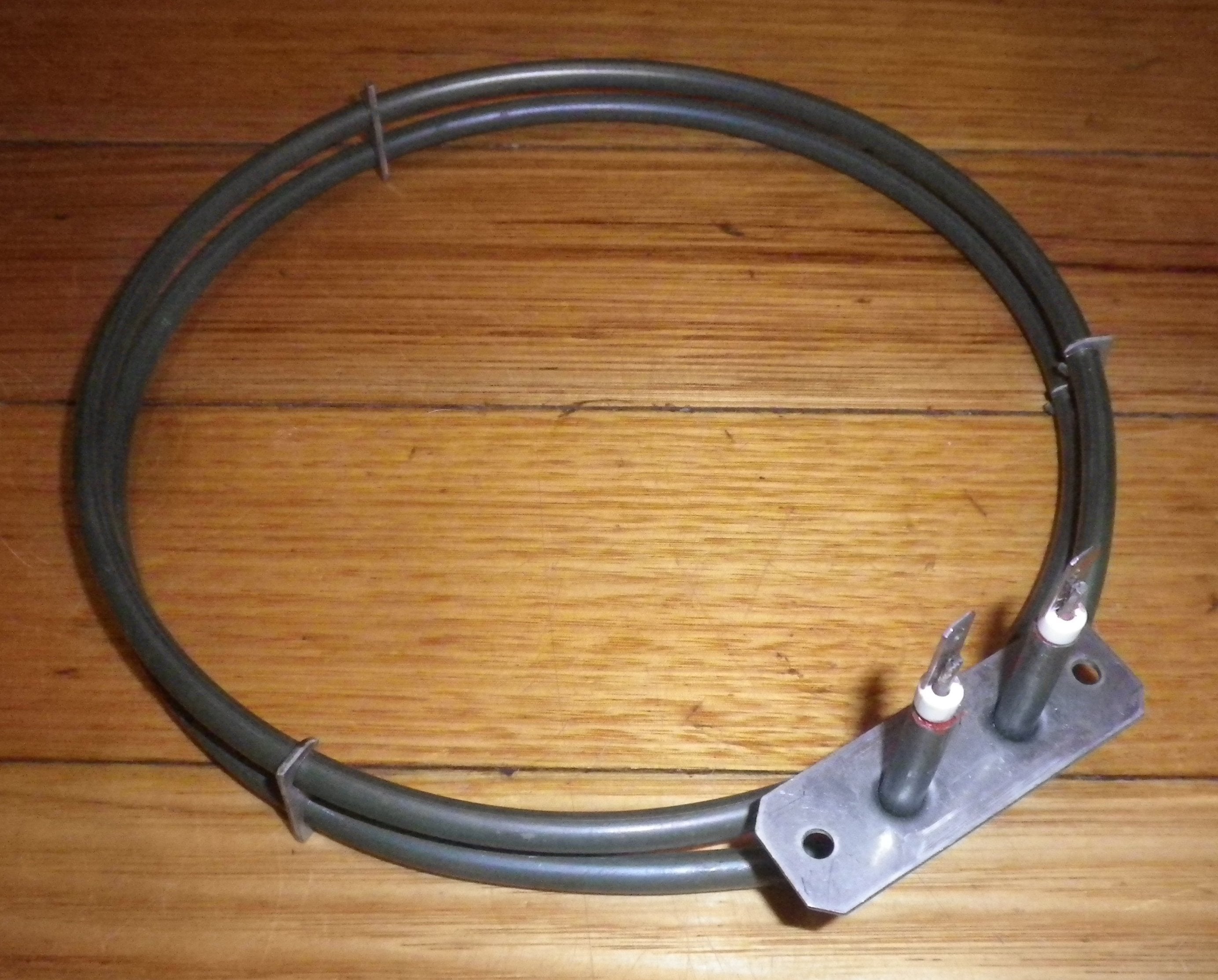
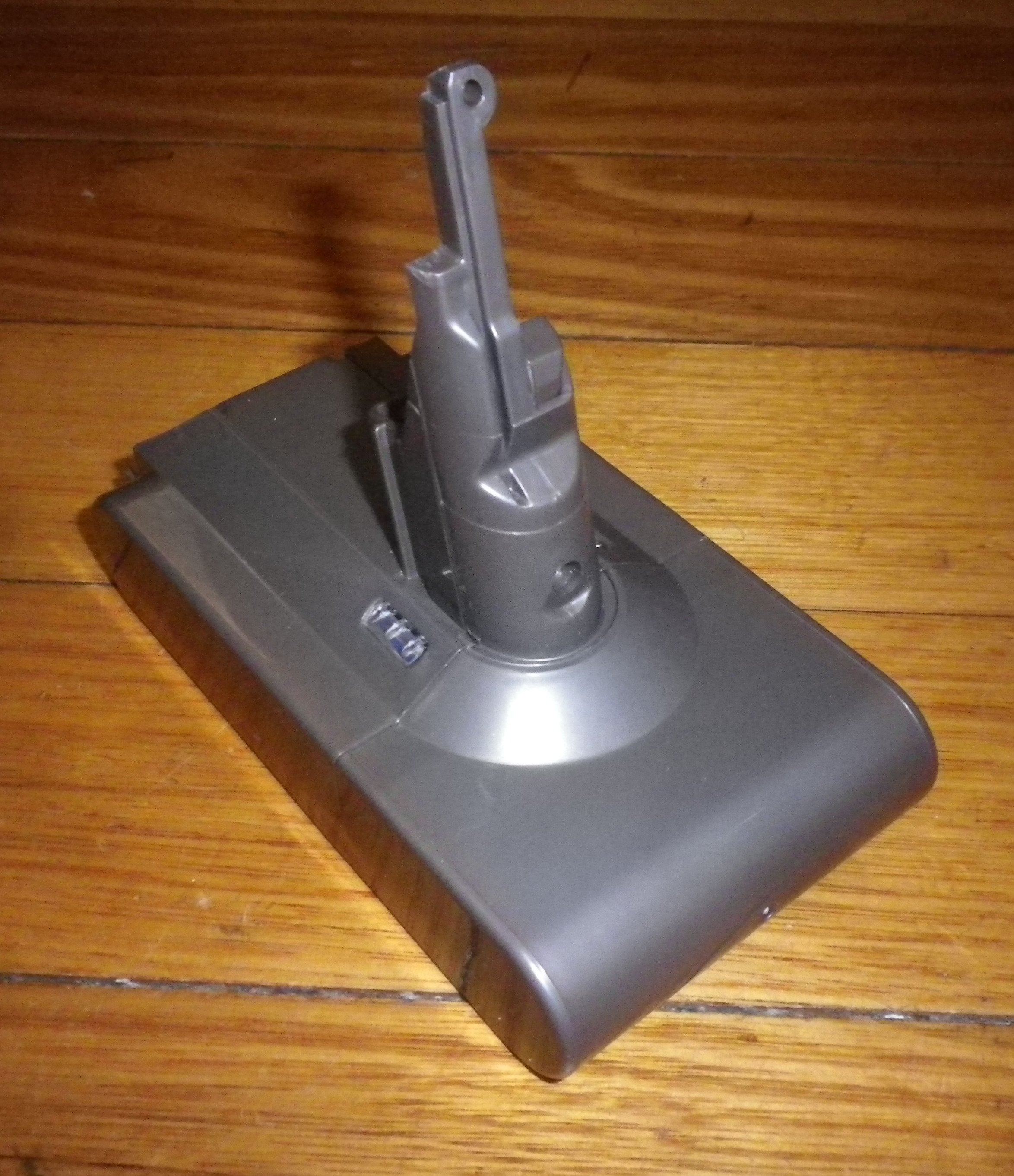
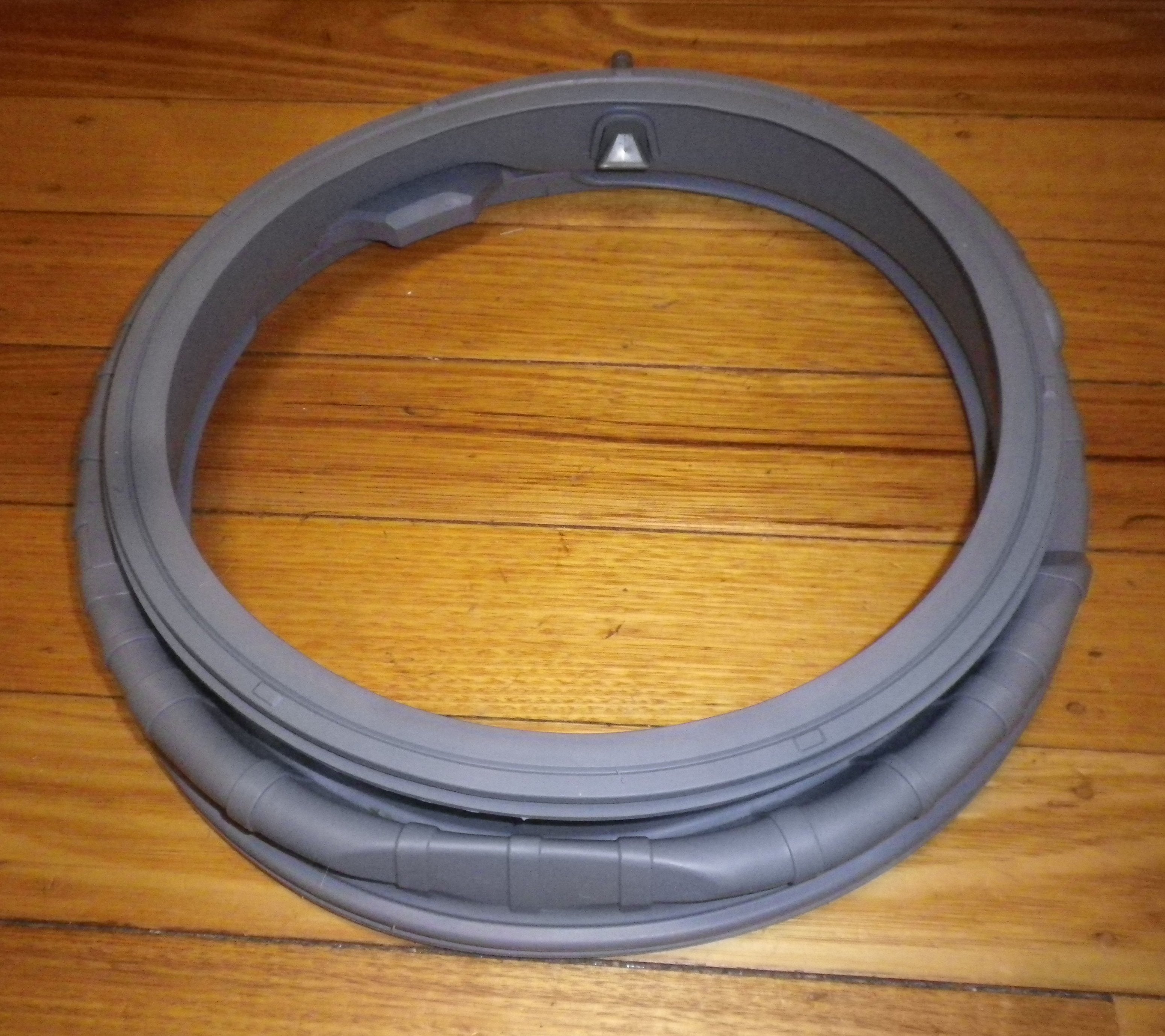
Expected lifespan varies widely by appliance type, and so does the cost of the parts that commonly fail. The table below shows the typical service life ranges most technicians work to, alongside a real parts example from our catalogue so you can see what a fix actually costs.
| Appliance | Typical lifespan | Common fault | Example part and price |
|---|---|---|---|
| Washing machine | 8-12 years | Door seal leak, drain pump failure | Samsung front loader door gasket, $55.65; Simpson/Westinghouse drain pump, $100.65 |
| Oven | 10-15 years | Element burns out | Westinghouse 2200W fan forced element, $40.31 |
| Vacuum (cordless) | 4-7 years | Battery no longer holds charge | Dyson V8 compatible battery pack, $100.46 |
Typical lifespan
Repair frequency and the repeat breakdown signal
One repair on a machine with years left is routine maintenance. A second repair within a year on a different component tells you the unit is entering its decline. That is the point where a cheap fix stops being cheap, because you are likely to be back in the same position within months.
What a Fair Appliance Repair Quote Should Itemise
A fair quote separates parts, labour and the call-out fee, names the part number, and states whether the repair itself carries a warranty.
Ask for the part number before you accept. If you need to track down your model details first, our guide on how to find your appliance model number walks through where manufacturers put it. Once you have an itemised quote in hand and the calculator says repair, you can contact us for an itemised quote and we will confirm part availability and pricing.

Parts, Repairability and Disposal: What the Calculator Can't Score
Three things sit outside any calculator's reach, and each can override the score. The first is parts availability. If the part is discontinued, repairability collapses regardless of the maths. Our guide on finding discontinued appliance spare parts covers how to hunt down scarce spares, and you can verify appliance part compatibility before committing to a repair so you are not paying for a part that will not fit.
The second is disposal. Old appliances do not vanish. Removal, transport and recycling all carry a cost, and in many areas the retailer charges for it. The third is household need. A rental property, a household with accessibility requirements, or a machine that must run daily all shift the weighting toward whichever option gets you back to normal fastest.
Find the Right Part for Your Repair Decision
The calculator gives you a defensible answer, but it only works if the part is right, in stock, and priced honestly.
We have spent over 40 years in electrical repair and parts supply, and we keep an extensive inventory across major, minor and electronic appliances.
Run the numbers, get an itemised quote, and check the part is actually available. Then decide.
Get started with Allfix Electrical and source the correct part for your repair, backed by decades of parts expertise and fast dispatch.
Frequently Asked Questions
How do I decide whether to repair or replace an appliance?
Run the numbers in three passes. First, get a written repair quote that separates parts cost from labour and any call-out fee. Second, compare that figure with the replacement cost, including delivery, installation and the removal of the old unit. Third, weigh in age and expected lifespan. If the repair lands near or above half the replacement price on a machine past its typical lifespan, replacement usually wins. If it is a cheap part on a mid-life machine, repair is the stronger call.
What is the 50% rule for repairing appliances?
The 50% rule says you should replace rather than repair once the quoted repair cost reaches half the price of a comparable new appliance. It is a useful starting filter, not a final answer. The rule ignores how far through its lifespan the machine already is, how often it has broken before, and what the new unit will cost to run. Use it as a first pass, then adjust for age, repair frequency and running costs before committing.
Is it worth repairing an appliance that is more than 10 years old?
It depends on the appliance and the fault. A 10-year-old fridge with a failed door seal or a washing machine needing a drain pump can still be worth repairing if the part is available and the cabinet and drum are sound. A 10-year-old unit facing a control board or compressor failure usually is not, because the part cost climbs and other components are near the end of their life. Get a quote before deciding, and check parts availability first.
What costs should I include when replacing an appliance?
Add more than the sticker price. Include delivery, installation, removal and disposal of the old unit, and any cabinetry or plumbing changes the new model needs. Then factor in running costs: a newer appliance may use less energy, and the estimated savings over several years can offset part of the purchase price. Comparing only the new appliance price against the repair quote understates what replacement actually costs.

Share this post
- 0 comment
- Tags: appliance lifespan by type, appliance repair cost vs replacement cost, appliance repair quote, is it worth repairing an appliance, repair vs replace, repair vs replace appliance calculator
0 comment