
Basic Appliance Repair: How Long Does It Take?
Posted by Editorial Team on
Last Updated: November 18, 2026
Quick Summary
Basic appliance repair usually takes 30 to 60 minutes of hands-on work for a single, well-defined fault like a door seal, blocked filter, heating element or belt. The full appointment, including travel and setup, runs longer, so a 45-minute repair can still mean a two-hour visit window.
- Diagnosis can take longer when a symptom is vague or intermittent.
- Have the model and serial number ready to save time and avoid a second trip.
- Clear access and empty the appliance so the technician can run test cycles immediately.
- In-stock parts mean same-visit fixes, while ordered parts add days.
- We may be able to advise by phone or email how complex a repair is likely to be.
Table of Contents
- What Counts as a Basic Appliance Repair?
- How Long Does Basic Appliance Repair Take?
- How Long Does Appliance Diagnosis Take?
- Common Appliance Faults and Repair Time
- Appliance Repair Appointment Preparation
- DIY Appliance Troubleshooting Before You Call
- What Affects Repair Duration and How to Get a Reliable Estimate
- Finding the Right Parts for Your Repair
- Frequently Asked Questions
What Counts as a Basic Appliance Repair?
A basic appliance repair is a single, well-defined fault fixed with common parts during one visit, usually in under an hour of hands-on work. Think a worn door seal, a blocked filter, a failed heating element or a broken belt.
The line between basic and complex matters more than most people realise.
Basic repairs share a few traits:
- One clear fault, not a chain of failures
- Parts that are easy to reach and often in stock
- No major dismantling of the appliance
- A single technician can finish the job alone
Complex repairs look different. A sealed refrigeration system, a control board fault that needs tracing, or a drum that has to come out all push the job into longer territory.
At Allfix Electrical, we've spent over 45 years diagnosing and supplying parts for exactly this kind of work.
How Long Does Basic Appliance Repair Take?
Basic appliance repair typically takes a fairly short time on the bench, but the full appointment, including travel and setup, usually runs longer.
That gap between repair time and total time catches people out. A job that takes 45 minutes on the bench might still mean a two-hour window for the visit.
Here's how to think about it:
The repair itself is rarely the slow part. Scheduling, parts and access usually are.
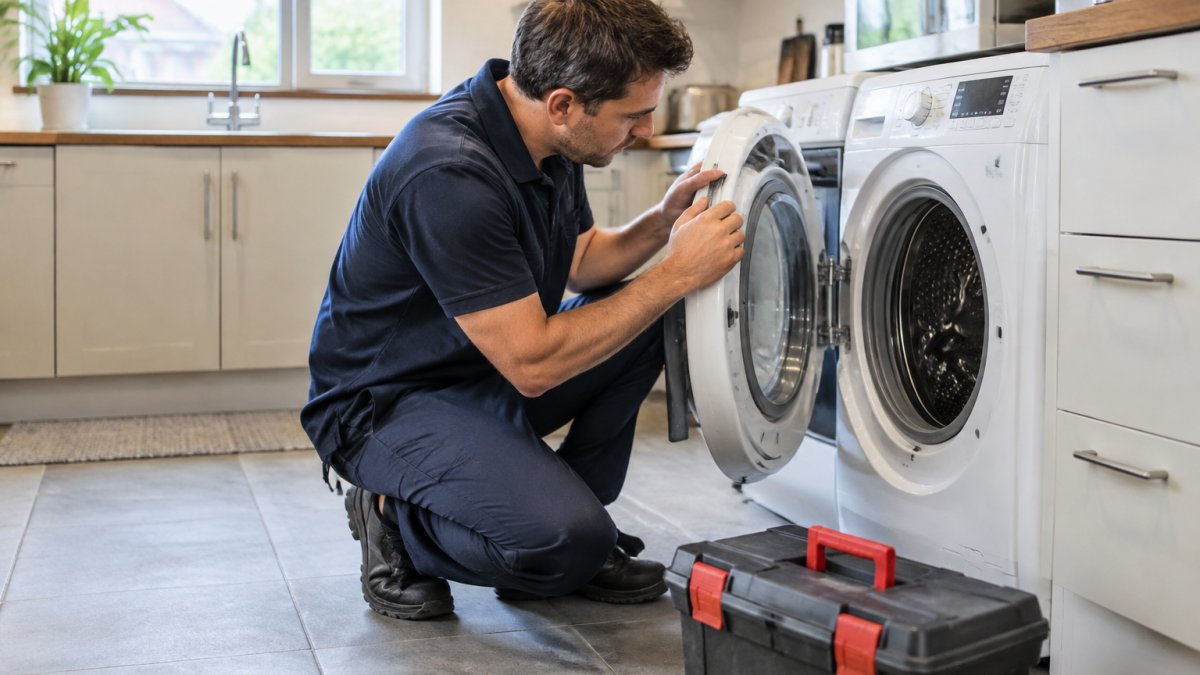
Typical Timeframes by Appliance Type
Different appliances carry different timeframes because access and part placement vary so much.
Appliance |
Typical Basic Repair Time |
Common Basic Fault |
|---|---|---|
Washing machine |
30 to 60 minutes |
Door seal, inlet filter, belt |
Dryer |
30 to 60 minutes |
Blocked vent, thermal fuse |
Oven |
30 to 60 minutes |
Element, fan motor, door hinge |
Dishwasher |
30 to 60 minutes |
Blocked filter, spray arm, door latch |
Fridge |
30 to 60 minutes |
Door seal, thermostat, fan |
Typical Basic Repair Time
If you're working on a specific model, our guide on how to repair a Fisher Paykel dishwasher walks through the job step by step.
How Long Does Appliance Diagnosis Take?
Appliance diagnosis can take longer when the symptom is vague or intermittent.
Diagnosis can stretch out for a few reasons:
- The fault only shows up under certain cycles
- An error code points to several possible causes
- The appliance needs to be run through a test cycle
A technician with the right model information moves faster. That's why having the model number ready before the visit saves real time.
For a deeper look at whether a fix is worth attempting yourself, our guide on whether DIY appliance repair is worth it covers the trade-offs.
Common Appliance Faults and Repair Time
Most common faults fall into a handful of categories, and each has a fairly predictable repair time.
A common mistake is assuming a fault is basic because the symptom looks small. A washer that won't drain could be a blocked filter or a failed pump. One takes minutes, the other takes longer and needs a part.
Appliance Repair Appointment Preparation
Good preparation is the easiest way to shorten a repair visit and cut the chance of a second trip. A few minutes before the technician arrives can save a follow-up appointment days later.
Use this checklist before the appointment:
- Clear access: Remove items from around and inside the appliance. A machine wedged into a tight corner or a packed cupboard adds time to every step.
- Model and serial number ready: Write them down or photograph the rating plate. This lets the technician check part fitment before arrival, the single biggest time-saver.
- Exact symptoms noted: Jot down what happens, when it happens (which cycle, what noise, what error code), and whether it's intermittent. Vague symptoms stretch diagnosis.
- Error codes photographed: If the display shows a code, take a photo. Codes narrow the fault fast.
- Appliance emptied where relevant: Remove laundry, dishes, or food so the technician can run test cycles immediately.
- Pets and pathways secured: Clear a path and secure pets so the visit isn't delayed.
The model number is the most useful thing you can hand over. It lets the technician check part fitment before arrival.
If you're unsure how complex your fault is, ask. We may be able to advise by phone or email how complex a repair is likely to be, which helps you plan the day and avoid surprises.
Watch out: leaving the appliance running until the technician arrives when you've noticed a burning smell or leak. Stop using it, unplug it, and note the symptoms, safety comes first.
DIY Appliance Troubleshooting Before You Call
Some faults are worth a look before you book anyone. DIY troubleshooting saves money when the fix is simple and safe.
Start with the basics:
- Check the power supply and circuit breaker
- Confirm the appliance is set correctly
- Clear filters and check hoses for blockages
- Look for obvious damage to seals or belts
- Note any error code the appliance displays
Safety comes first. Stop using an appliance if you smell burning, see scorch marks, or notice water near electrical parts. Unplug it and leave it alone.
What most guides miss is that a bit of troubleshooting narrows the fault before the technician arrives. That shortens diagnosis and often the whole visit.
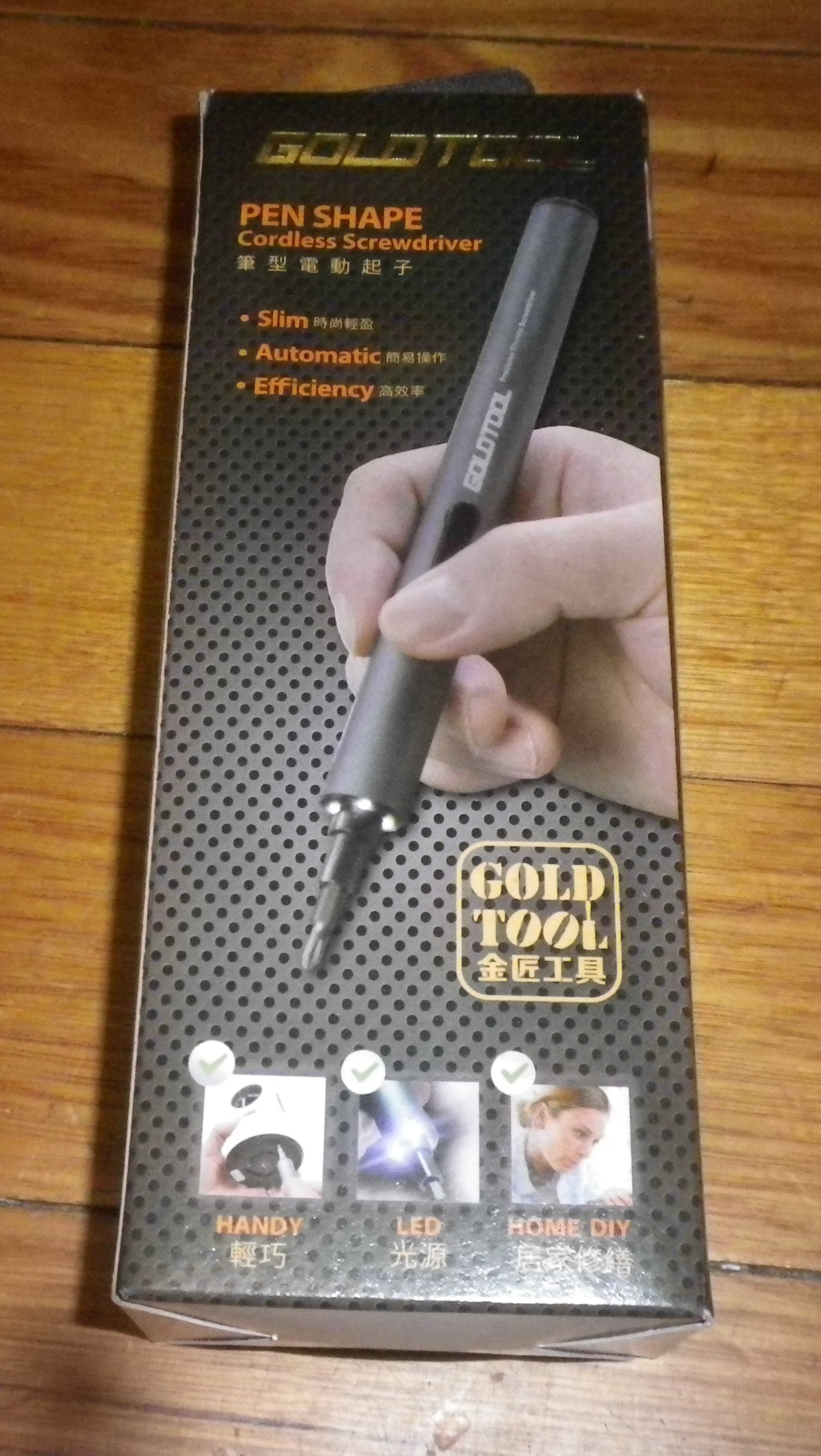
A good cordless screwdriver makes light work of opening access panels and removing covers. Our GoldTool cordless electric screwdriver with 55 bits at $141.41 includes 55 standard bits, including Torx sizes.
What Affects Repair Duration and How to Get a Reliable Estimate
Repair duration depends on several things: the fault, the parts, the access, the appliance type, and whether it's a first or follow-up visit.
Here's what moves the clock:
- Fault severity: a single fault is quick, a chain of failures is not
- Parts availability: in-stock parts mean same-visit fixes
- Accessibility: a machine wedged into a tight corner takes longer
- On-site vs workshop: bench work is often faster than working in a cramped laundry
- First visit vs follow-up: a part that has to be ordered adds days, not minutes
Getting a reliable estimate means giving clear information up front. Describe the symptom, the model, and the age of the appliance. Ask whether the part is likely to be in stock.
It also helps to separate repair duration from total time to resolution. Getting the right part to your door is often the part that decides how long you're without the appliance.
If you're weighing up whether to fix or replace, our repair vs replace appliance calculator helps you run the numbers before you commit.
Finding the Right Parts for Your Repair
The right part is the difference between a one-visit fix and a drawn-out saga. Getting it right starts with the model number and a clear photo of the old part.
Follow these steps:
- Note the full model and serial number
- Photograph the old part and any labels on it
- Match part numbers, not just descriptions
- Check fitment for your exact model before ordering
- Keep the old part until the new one works
A common mistake is ordering by appearance alone. Two parts can look identical and fit different models.
We stock parts for major and minor appliances and offer fast handling, typically 1 to 5 business days for orders. If you're chasing an obsolete component, our guide on sourcing discontinued appliance parts sets out the step-by-step method.
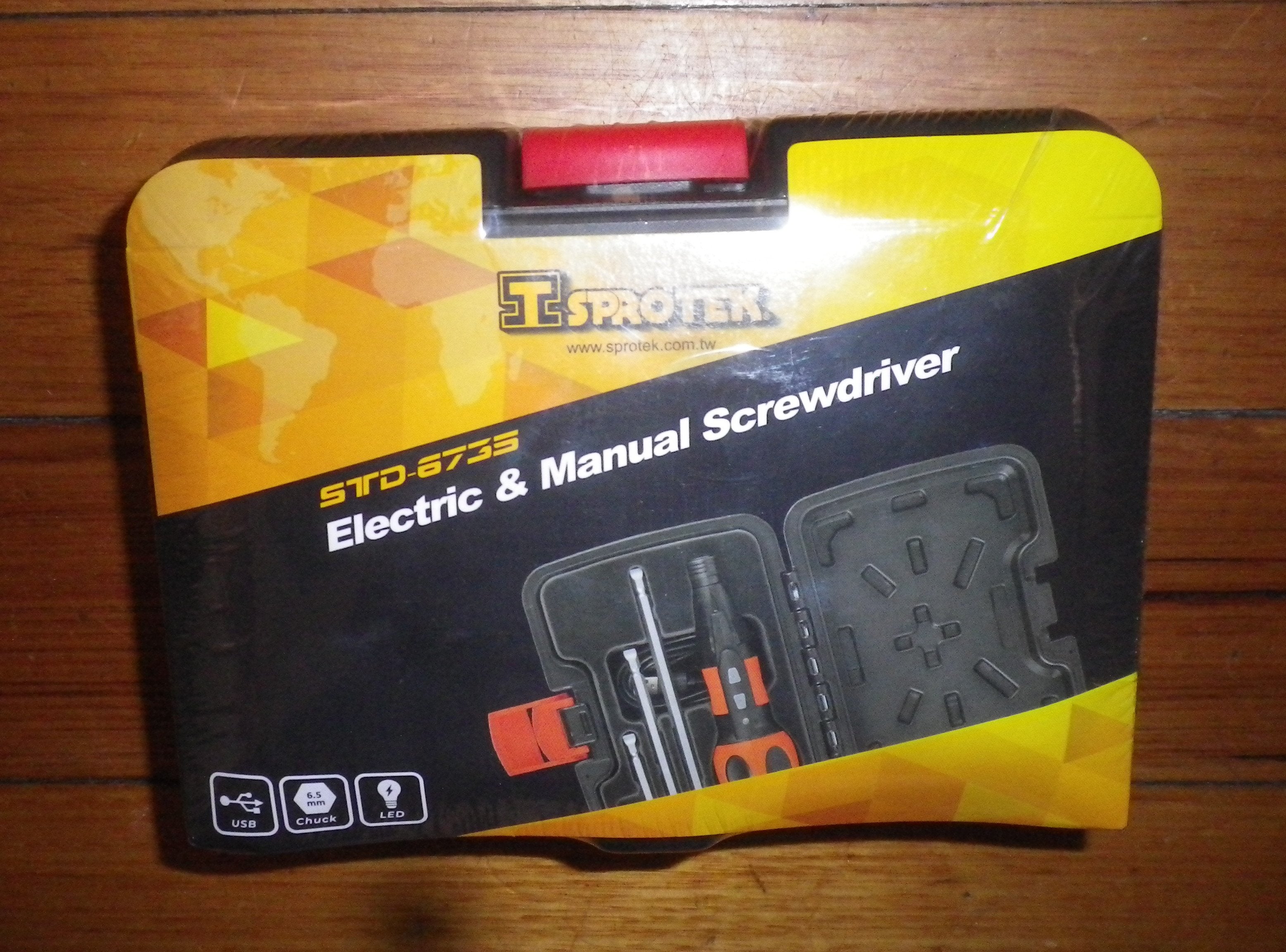
For repairs that need precision on small fasteners, the T-Sprotek cordless electric screwdriver with dual bits at $125.74 gives you 10Nm of torque and a built-in LED light for working in tight spaces.
Not sure whether your fault is a quick fix or a bigger job? Send us the model number and a description of the problem, and we'll help you work out what's involved. Allfix Electrical has supplied appliance parts for over 40 years, with fast handling on orders and expert help finding the right component. Search our range and get your appliance running again.
Frequently Asked Questions
How long does a basic appliance repair usually take?
A basic appliance repair is usually quick for straightforward faults like replacing a door seal, a heating element, or a worn belt. The total time from booking to resolution can stretch longer if parts need ordering, as scheduling and parts availability are the main variables. If you are unsure how complex your repair is, contact Allfix Electrical by phone or email for guidance.
What affects how long an appliance repair takes?
Several factors affect repair duration: the type of appliance, the severity of the fault, whether parts are in stock, and accessibility of the appliance. A washing machine in a tight laundry cupboard takes longer to access than one with clear space around it. Diagnosis time also varies; intermittent faults can take longer to trace than obvious failures. Parts availability is often the biggest delay, especially for older or less common models.
Can a washing machine be repaired in one visit?
Some washing machine repairs can be completed in one visit if the fault is straightforward and the required part is on hand. If a part needs to be ordered, a follow-up visit may be needed. To improve the chance of a first-time fix, have your model number ready when booking.
What should I do before an appliance repair appointment?
Before your appointment, clear access to the appliance, empty it if possible, and have the model and serial number ready. Note any error codes and when the fault occurs. If you are renting, check with your landlord about who is responsible for the repair. Being prepared helps the technician diagnose faster and reduces the chance of a second visit.

Share this post
- 0 comment
- Tags: appliance repair appointment preparation, basic appliance repair, common appliance faults and repair time, diy appliance troubleshooting, how long does appliance diagnosis take, how long does basic appliance repair take
0 comment