
Common Reasons a Washing Machine Won't Spin and How to Fix Them
Posted by Editorial Team on
Last Updated: November 19, 2026
Quick Summary
The most common reasons a washing machine spin cycle stops are an unbalanced or overloaded load, a blocked drain, a faulty lid or door switch, and a worn motor or drive belt. Always switch the machine off at the wall and unplug it before checking anything. Start with the load, drain and lid, since these fixes cost nothing.
- Switch the machine off at the wall and unplug it before any check.
- Redistribute or reduce the load if clothes bunch on one side of the drum.
- Clean the pump filter, behind a small front panel, with a tray underneath.
- A machine that cannot drain will not spin, so check the outlet hose first.
- Call a technician if you notice grinding, banging, burning smells or cracked wiring.
Table of Contents
- Start With a Safe Check Before You Touch Anything
- Unbalanced Load and Overloaded Laundry
- Washing Machine Not Draining: Blocked Hoses, Filters and Pumps
- Lid Switch, Door Latch and Out-of-Balance Switch Faults
- Motor Reset, Drive Belt and Motor Faults
- Spin Cycle Not Working: Settings, Levelling and Top-Load Versus Front-Load Differences
- When to Stop DIY and Book a Technician
- Frequently Asked Questions
Start With a Safe Check Before You Touch Anything
A washing machine that won't spin is one of the most common appliance complaints, and most washing machine spin faults are simple to check. If the drum also leaks, see how to fix a leaking washing machine at home. The most common reasons a washing machine won't spin are an unbalanced load, a blocked drain, a faulty lid or door switch, and a worn motor or drive belt.
Before you open anything, switch the machine off at the wall and unplug it. Water and mains power do not mix, and a drum that has been loaded can still move unexpectedly when you reach inside.
Work through the checks in this order:
- Power off: Turn the machine off at the wall socket and unplug it.
- Check the drum: Remove any clothing that is stuck or bunched up.
- Check the drain: Look for standing water in the drum, which points to a drain fault.
Many people skip straight to buying parts, but a quick check can show whether the problem is a load or setting issue, which costs nothing to fix.
Unbalanced Load and Overloaded Laundry
An unbalanced load is the most frequent reason a washer stops mid-spin. When wet clothes bunch on one side of the drum, the machine detects the imbalance and stops to protect itself. A single heavy item, such as a bath mat or doona, can cause this on its own.
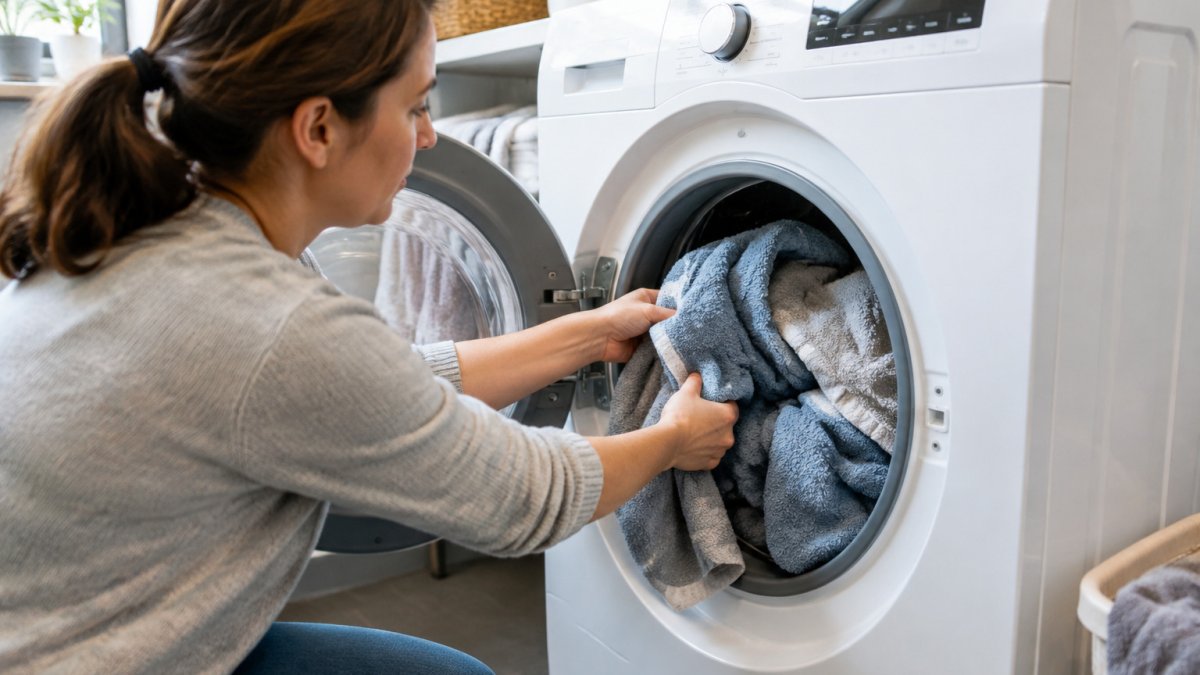
Overloading causes a similar problem. A drum packed tight leaves no room for clothes to move and redistribute, so the spin never settles. Try these fixes:
- Remove some of the load and spin again.
- Spread the remaining items evenly around the drum.
- Pull out any single heavy items and wash them separately.
If the machine still stops after you redistribute the laundry, move on to the drain and lid checks below.
Washing Machine Not Draining: Blocked Hoses, Filters and Pumps
A machine that cannot drain will not spin, because most washers refuse to spin while water is still in the drum. Check the drain path in this order:
- Check the outlet hose. Look for kinks, crushing behind the machine, or a hose that sits too low. Straighten the hose and make sure it is not pushed into the drain pipe too far.
- Clean the pump filter. On most front-load machines, the filter sits behind a small panel at the bottom front. Place a shallow tray underneath before you open it, because water will come out. Remove lint, coins, hair and debris.
- Test the pump. If the filter and hose are clear and the drum still holds water, the drain pump may be faulty. A pump that hums but does not move water often points to a blockage the filter did not catch.
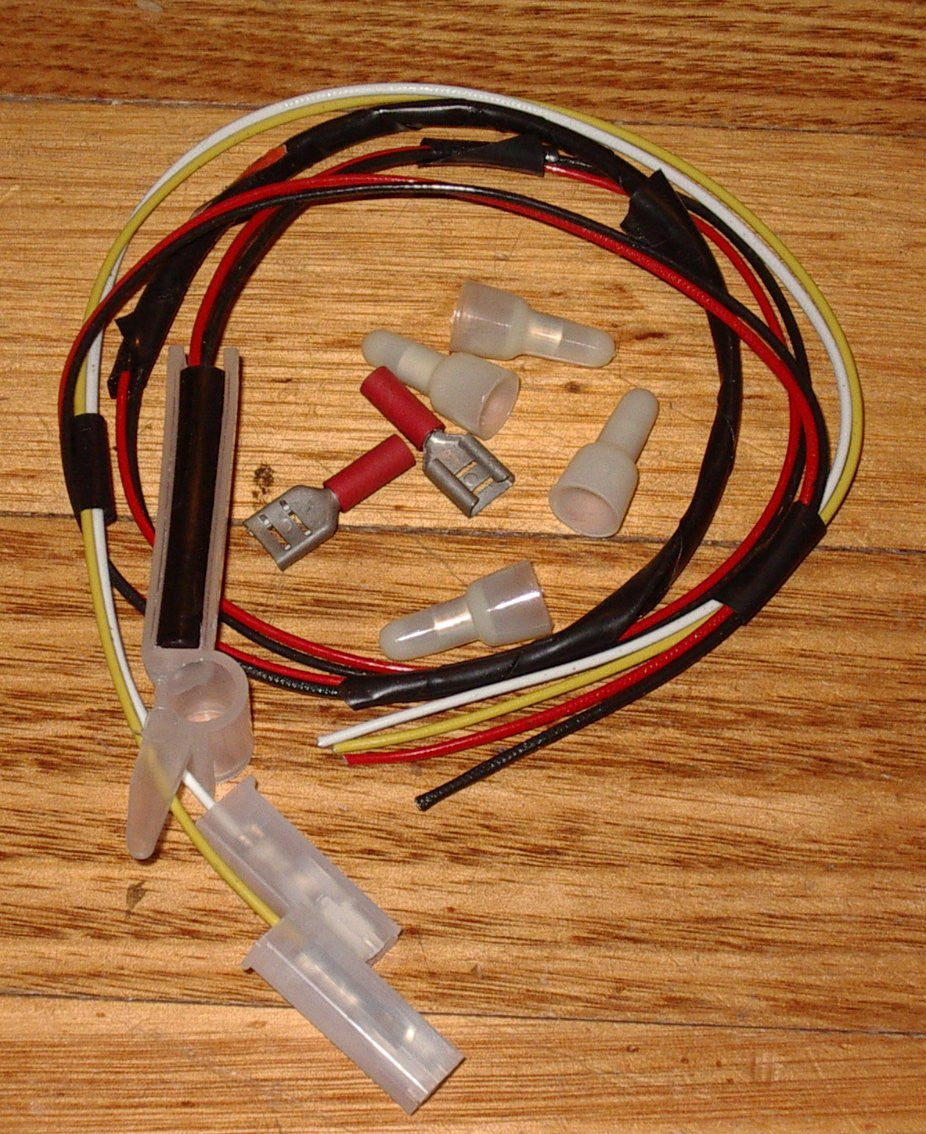
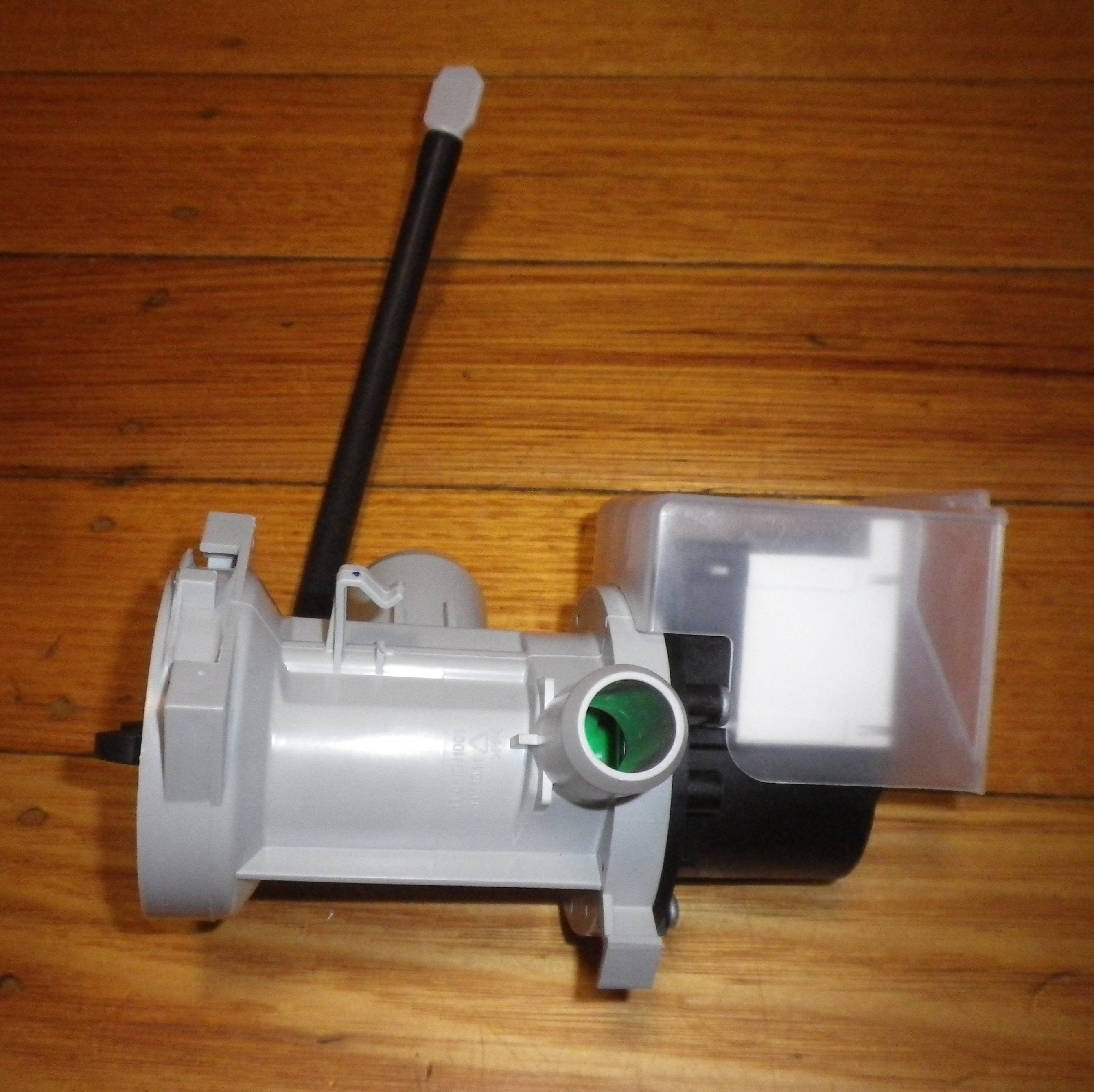
If the drain pump has failed, replacement parts are available. The Fisher & Paykel Lid Reed Switch Kit - Part # FP002 is listed for the lid switch, not the pump, so confirm the part number against your model before you order. For LG machines, the LG WD-1018C, WD-8015C, WD-8026C Compatible Drain Pump Motor - Part # 5859EN1004J is listed as a magnetic drain pump that suits several recent front-loading models.
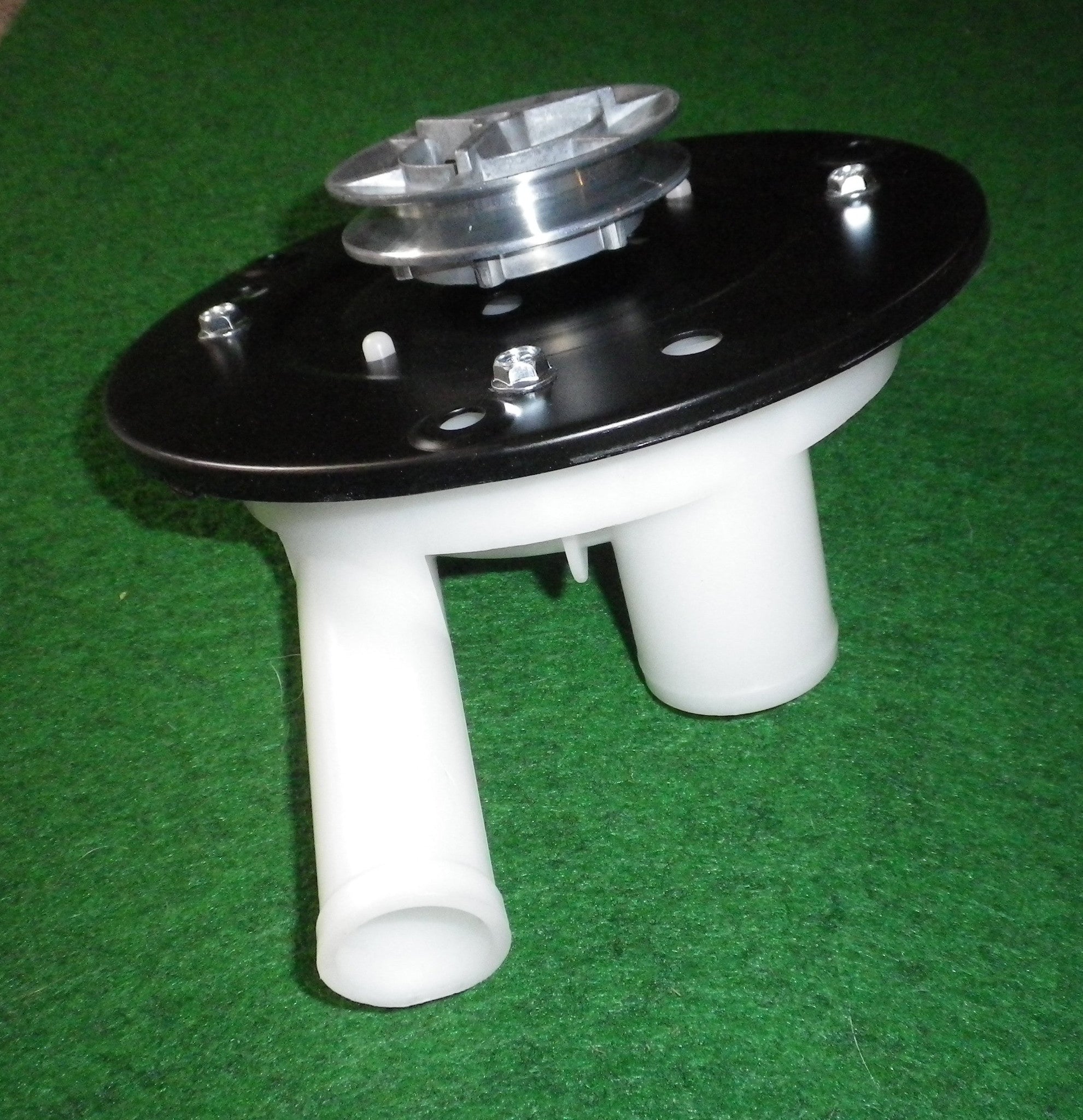
Some machines use a mechanical drain pump driven by the drive belt. The New Type Maytag Plastic Drain Pump - Part No. 1030227WS, 21001906, LP123 is listed for certain Maytag large auto models.
If the outlet hose itself is cracked or blocked, a replacement may be the simplest fix.
Most of these drain faults can be checked in a few steps before any part is replaced.
| Check | What to look for | Fix |
|---|---|---|
| Outlet hose | Kinks, crushing, or a hose sitting too low | Straighten the hose and reposition it |
| Pump filter | Lint, coins, hair or debris | Clean the filter with a tray underneath |
| Drain pump | Hums but does not move water | Check for blockage, then consider replacement |
Lid Switch, Door Latch and Out-of-Balance Switch Faults
Washing machines are built with safety interlocks that stop the drum from spinning when the lid or door is open. A faulty switch can stop the spin even when the lid looks closed, and on some models it can also let the machine run with the lid open. Because the interlock sits in the spin circuit, a failed switch often produces the same symptom as a mechanical fault: the washer fills, drains and agitates but never spins.
How the interlock is actuated
On a top-load machine the lid switch is usually a reed switch or a mechanical plunger mounted under the top panel. A magnet or a small tab on the lid closes the switch when the lid is shut. On a front-load machine the door lock is an electromechanical latch, often with a thermal or solenoid element, that both locks the door and signals the control board that it is safe to spin.
Check these points first
- Close the lid or door firmly until you hear or feel it latch.
- Look for a door latch that does not catch, a striker that is loose, or a hinge that lets the door sag.
- Listen for a click when you close the lid, which usually means a mechanical switch is being actuated.
If the lid is closed and the machine still will not spin, the out-of-balance switch may be at fault. This switch detects an unbalanced drum, and a faulty one can stop the spin even when the load is even.
Testing the switch safely
Test the switch with a multimeter only if you know how to use one safely and the machine is unplugged. With the machine off at the wall and the plug removed, access the switch and check for continuity across its terminals with the lid or door closed, then open. A switch that shows no change, or that has a visible crack, burnt contacts or loose wiring, should be replaced rather than repaired. Watch out: never probe a switch while the machine is plugged in, because the interlock circuit can carry mains voltage even when the drum is not turning.
Top-load versus front-load differences
A top-loader that will not spin often points to the lid switch, the out-of-balance switch or the drive belt. A front-loader that will not spin often points to the door interlock, the load balance or the drain system, because most front-loaders refuse to spin while water is still in the drum. If the machine displays an error code, check the model's manual before replacing parts, because interlock codes are not universal across brands.
Motor Reset, Drive Belt and Motor Faults
Some machines can recover from a motor fault after a reset. Unplug the machine for at least five minutes, plug it back in, and run a short spin cycle. If the machine stops spinning again, the fault is likely mechanical rather than a one-off control glitch.
Match the symptom to the likely cause
Before you remove any panels, use what the machine is doing to narrow the cause:
- Drum does not turn and there is no sound from the motor: suspect a broken drive belt, a worn motor coupling or a faulty lid/door interlock.
- Motor hums but the drum does not turn: suspect a failed capacitor, a seized pulley or a jammed pump on machines that share a belt with the drain pump.
- Drum turns freely by hand but not under power: suspect a worn belt that slips under load, or a weak capacitor.
Drive belt checks
A worn or loose drive belt is one of the more common mechanical causes. Look for cracks, fraying, glazing or a belt that sits loose on the pulley. Some machines use one belt for both the drum and the pump, so a single failed belt can stop both functions. If the belt is intact but slips, check the pulley for wear and confirm the belt routing against the model's diagram.
Motor coupling and capacitor checks
A worn motor coupling can stop the drum from turning while the motor runs, and a cracked coupling is often visible once the motor is accessed. On some models a weak capacitor causes the motor to hum without spinning the drum. Capacitor testing requires a multimeter with a capacitance range and knowledge of how to discharge the capacitor safely. Watch out: capacitors can hold a charge after the machine is unplugged, so do not touch the terminals until the capacitor has been discharged according to the model's service information.
Stop points before electrical or mechanical work
Motor, belt and capacitor faults are less common than load and drain problems, and they often need a technician. Stop and book a technician if:
- The machine makes a grinding, banging or burning smell during spin.
- You can see cracked or burnt wiring, or a damaged power cord.
- The motor hums but the drum does not turn after the reset.
A qualified technician can test the motor, capacitor and control board safely. Allfix Electrical supplies replacement parts for these repairs, and our team can help you confirm the right part for your model before you order.
Spin Cycle Not Working: Settings, Levelling and Top-Load Versus Front-Load Differences
Sometimes the fault is the settings, not the parts. Check these first:
- Spin speed: Make sure the spin speed is not set to zero or to "no spin."
- Cycle choice: Some delicate or hand-wash cycles have little or no spin. Choose a standard cycle.
- Water level: Very low water can stop the spin on some models.
Levelling matters too. A washer that is not level will vibrate and may stop mid-spin to protect itself. Place a spirit level on top of the machine and adjust the feet until the machine sits flat.
Top-load and front-load machines fail in different ways. A top-load machine uses an agitator or impeller, and a lid switch usually stops the spin when the lid lifts.
When to Stop DIY and Book a Technician
Many spin faults are simple to fix at home. Stop and call a technician if:
- The machine makes a grinding, banging or burning smell during spin.
- You can see cracked or burnt wiring, or a damaged power cord.
- The motor hums but the drum does not turn after the reset.
A qualified technician can test the motor, capacitor and control board safely.
Start with the safe checks, work through the drain and lid steps, and only replace a part once you are sure which one has failed.
Ready to fix it? Find the right replacement part for your washing machine at Allfix Electrical, with fast handling time and expert help choosing the correct part for your model.
Frequently Asked Questions
Why is my washing machine not spinning?
The most common causes are an unbalanced or overloaded load, a blocked drain hose or pump filter, a lid or door switch that is not registering as closed, a loose or worn drive belt, or a machine that is not level. Start with the simplest checks: redistribute the laundry, confirm the lid or door is firmly shut, clear the filter and check the hose for kinks. If the machine still will not spin after these steps, the fault is more likely electrical or mechanical and needs a closer inspection, which is where a technician or a replacement part from Allfix Electrical can help.
Can an unbalanced load stop a washing machine from spinning?
Yes. Most washers have an out-of-balance switch that stops the spin cycle when the drum detects uneven weight, to protect the bearings and suspension. Stop the machine, open the lid or door, and spread the items evenly, adding or removing a towel if needed. Large single items such as doonas or bath mats often cause the problem. If the machine keeps stopping after you have redistributed the load, the out-of-balance switch itself may be faulty, and a replacement kit such as the Fisher & Paykel Lid Reed Switch Kit (Part # FP002, $19.16) may be the right fix for compatible early models.
Can a blocked drain cause a washing machine not to spin?
Yes. Many machines will not begin the spin cycle while water remains in the drum, because the control board waits for the drain pump to empty it. A kinked drain hose, a clogged pump filter or a blocked standpipe can all cause this. Clean the pump filter first, then check the hose for kinks and blockages. If the pump itself has failed, a replacement such as the New Type Maytag Plastic Drain Pump (Part No. 21001906, $73.31) may be needed for compatible models.
How do I reset a washing machine that will not spin?
Switch off at the wall and unplug the machine for at least two minutes, then plug it back in and restart the cycle. This clears many temporary control faults. If the machine still will not spin, check that the lid or door is fully closed, that the cycle and spin-speed settings are correct, and that no water is left in the drum. Repeated faults after a reset point to a lid switch, door latch, motor or control problem that needs a proper diagnosis.

Share this post
- 0 comment
- Tags: common reasons washing machine won't spin, washing machine motor reset, washing machine not draining, washing machine spin, washing machine spin cycle not working, washing machine unbalanced load
0 comment